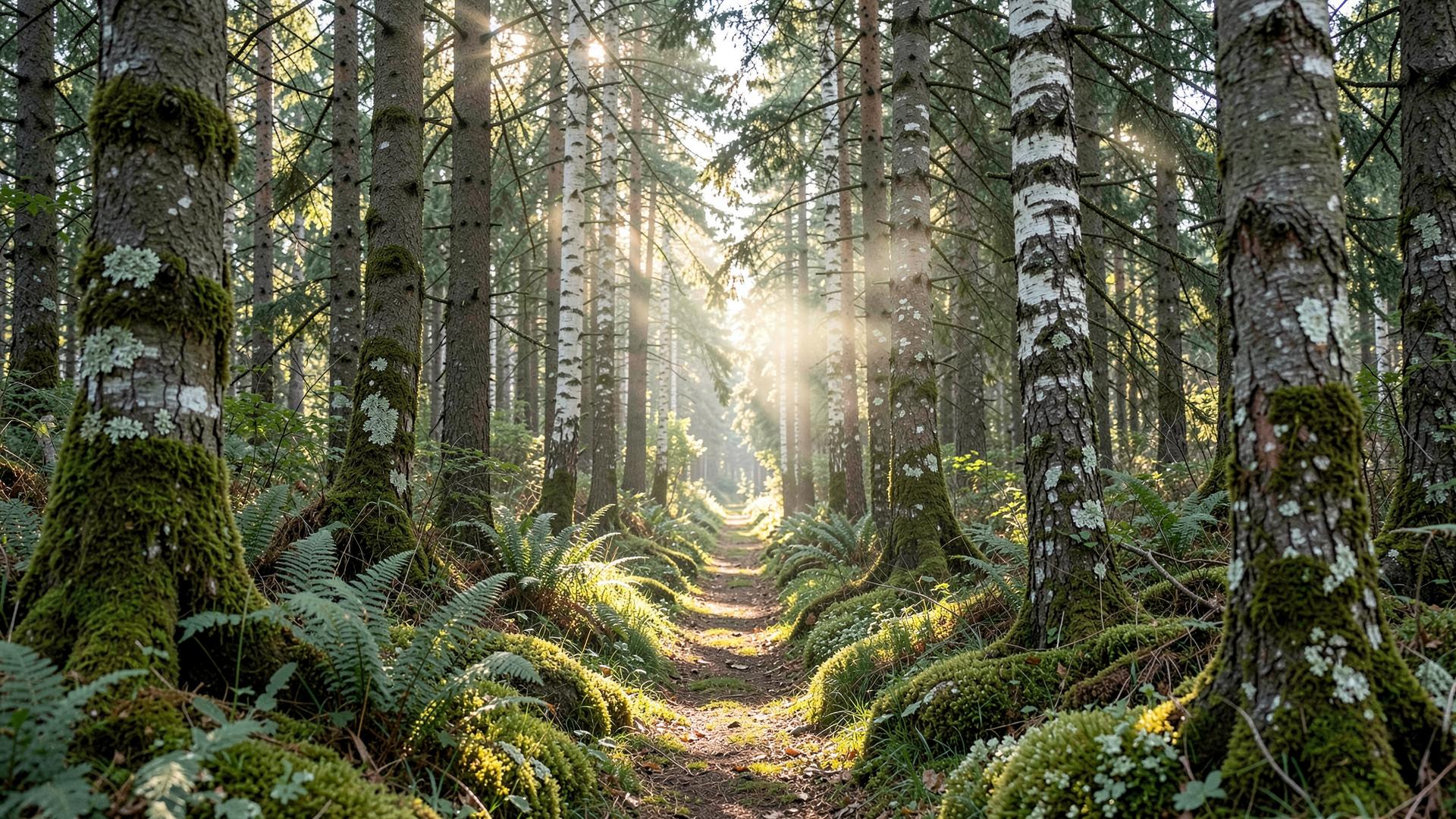
The vision
A living, scalable model for how humans can live, learn and work in balance with nature
Naturheim is an integrated village model: housing, farming, a school, elder care, eco-tourism and a public biodiversity park — all in one place.
The problem
What we are responding to
- Climate anxiety and the loss of biodiversity are accelerating.
- Housing is expensive, isolating, and rarely connected to food or nature.
- Parents are seeking safer, more nurturing educational environments for their children.
- There is a lack of places that combine living, food production, education and tourism in one ecosystem.
Our solution
One place where all of it fits together
Naturheim brings housing, regenerative farming, a nature-integrated school, small-scale eldercare, eco-tourism and a public biodiversity park onto the same land — so each part supports the others.
It is designed from the outset to be replicable. What works here becomes a blueprint for sustainable rural development elsewhere.
Market & trends
The ground is ready
- Growing demand for sustainable living and eco-homes.
- Strong summer tourism in West Sweden and a rise in close-to-nature experiences.
- Rising interest in local, organic food and direct farm-to-table.
- Parents seeking alternative, nature-based education.
- Public and private investment flowing into biodiversity restoration.
Sustainable development goals
What we hold ourselves to
SDG 2
Local, regenerative food systems
SDG 4
Inclusive, nature-rooted education
SDG 7
Renewable energy & energy efficiency
SDG 11
Sustainable, inclusive communities
SDG 12
Circular resource use, reduced waste
SDG 13
Climate action through carbon capture
SDG 15
Biodiversity restoration & habitat creation
Roadmap
How the village comes into being
2025 / 2026 — 0–12 months
- Acquire 50–100 ha with 2–4 houses.
- Launch market gardening, the winter greenhouse plan, and glamping.
- Secure core infrastructure: water, solar, sanitation, access roads.
2026 / 2027 — 12–36 months
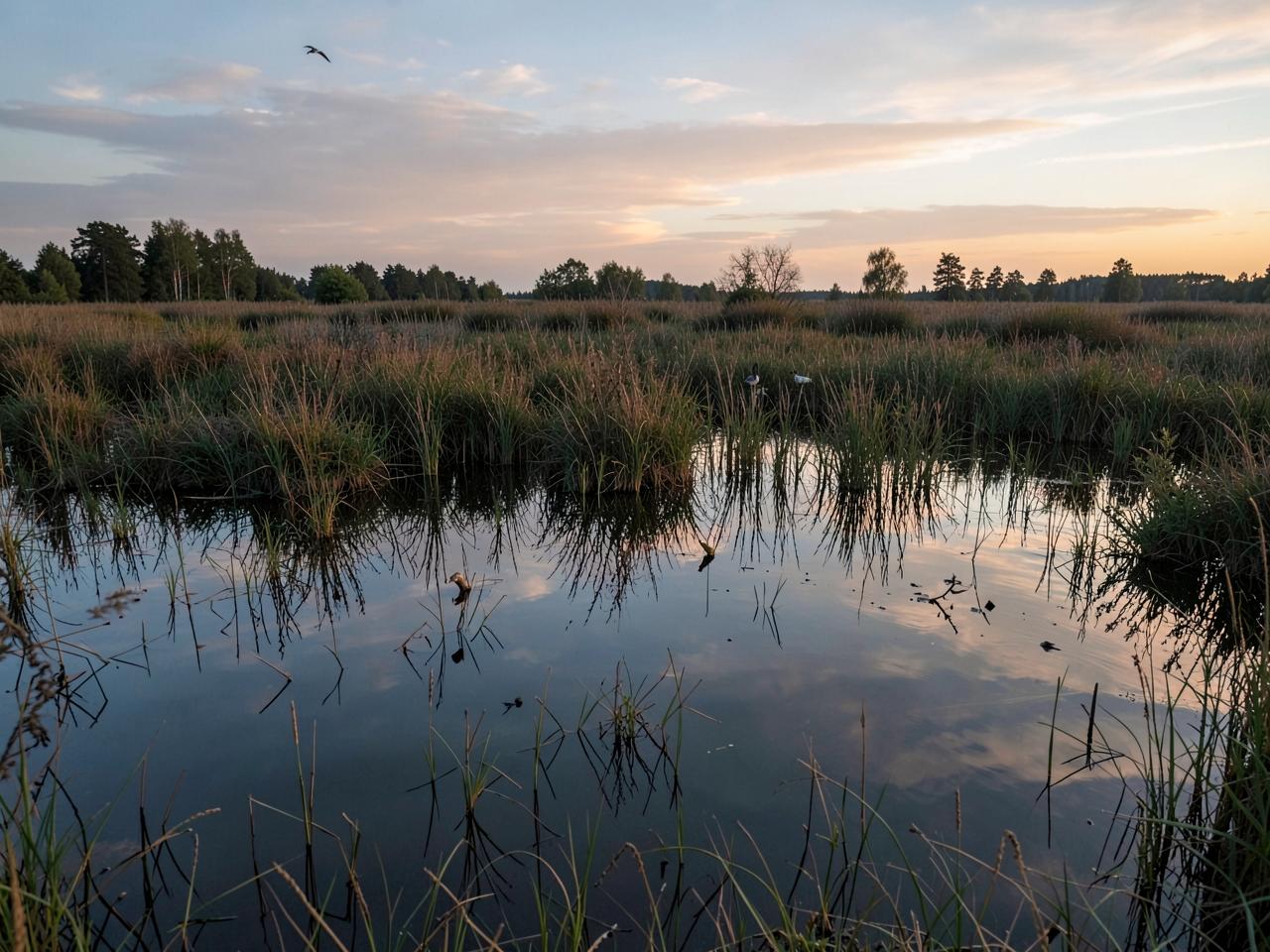
- Build the biodiversity park and wetlands.
- Expand glamping and eco-tourism offers.
- Open the café/shop and the nature-integrated school.
- Add housing and small-scale eldercare.